




































The Parenting Video That Broke the Internet
In August 2025, a simple TikTok video struck a nerve with millions of parents worldwide.
Shelbie Huffman, a mum from the U.S., recorded a candid moment with her 12-year-old son, Calvin. The clip shows her calmly explaining why she refuses to give him step-by-step instructions for loading the dishwasher:
“I will not give you step-by-step instructions when you are perfectly capable of rinsing your cereal bowl and putting it in.”
Within days, the video went viral, amassing over 9 million views and sparking thousands of comments from parents who saw themselves in the exchange.
But this wasn’t just about chores—it was about teaching responsibility, breaking old patterns, and raising capable, confident kids.
What Is “Weaponized Incompetence”?
The term might sound complex, but parents know it all too well.
Weaponized incompetence happens when someone pretends not to know how to do something so they don’t have to do it.
In kids, it can sound like:
- “I don’t know how to put my toys away.”
- “I can’t fold my clothes.”
- “I don’t know where the plates go.”
And yes, sometimes, adults do it too—partners, coworkers, even friends. It shifts the burden of responsibility to someone else, creating frustration and imbalance.
Shelbie’s approach cut right through this behavior, and that’s why it resonated so deeply: she didn’t shame her son, but she also didn’t rescue him.
Why This Video Went Viral
Parents around the world are exhausted. Between work, school schedules, household tasks, and screen-time battles, there’s little bandwidth left.
Shelbie’s video resonated because it touched on three universal truths:
- Parents want kids to be more independent
- Old-school yelling doesn’t work anymore
- Gentle parenting needs balance—kids must still learn accountability
Shelbie summed it up perfectly in her caption:
“I’m not raising a helpless adult.”
Breaking the Cycle of “Doing It All”
Many parents—especially mums—grew up in households where responsibility wasn’t evenly shared. Some were conditioned to handle it all, while others were subtly taught they didn’t need to.
But 2025 parenting trends are shifting. We’re seeing:
- Intentional parenting → raising self-sufficient kids
- Natural consequence teaching → letting kids “figure it out”
- Shared responsibilities → dividing tasks fairly among family members
The viral moment has opened a bigger conversation: Are we unintentionally teaching our kids helplessness?
How to Handle “I Can’t Do It” Moments at Home
If you’ve ever had a child suddenly “forget” how to do a chore they’ve done 100 times, you’re not alone. Here are five actionable tips inspired by experts and parents from the viral thread:
1. Stay Calm and Empathetic
Shaming doesn’t teach—it shuts kids down. Take a breath, then respond with:
“I know you can do this. I believe in you.”
2. Use Natural Consequences
Sometimes, the best teacher is experience. For example:
- If they leave toys out, pause play until they’re tidied.
- If they don’t pack their sports gear, they miss practice.
This “FAFO” style (Find Out For Yourself) is also trending among parents in 2025.
3. Make Responsibility Fun
Gamify tasks for younger kids:
- Set a timer race for putting toys away.
- Create a sticker chart for completing chores independently.
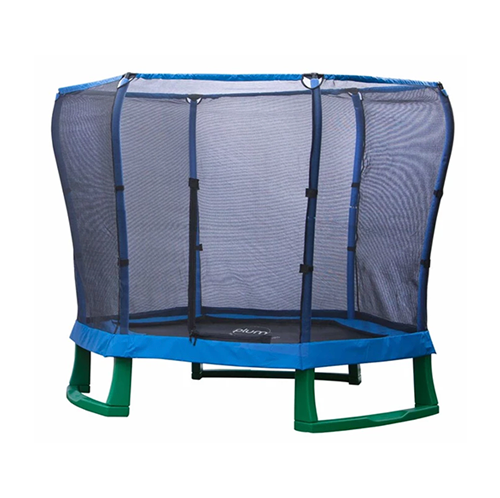
Pro Tip: Active toys like trampolines, obstacle sets, and scooters can double as motivators.
“Finish your cleanup, then trampoline time!” works wonders.
4. Model Capability
Kids learn more from what we do than what we say. Narrate your process:
“I don’t like washing dishes either, but I know how. Watch me knock it out in two minutes.”
5. Celebrate Wins, Big and Small
Positive reinforcement builds confidence:
- “You rinsed your bowl without reminders—amazing job!”
- “See? You can do it.”
Why This Matters More Than Ever in 2025
With screens, AI assistants, and smart homes simplifying tasks, kids are growing up in a world where fewer hands-on skills are “necessary.”
But here’s the risk: independence can’t be outsourced.
- Kids need real-life practice managing responsibilities
- Outdoor, active play teaches cause and effect naturally
- Problem-solving through play builds confidence beyond the home
At Kids Toys Warehouse, we believe toys are more than entertainment—they’re tools for developing resilience and independence.
How Active Play Teaches Responsibility
Active toys aren’t just fun—they create natural opportunities to practice independence:
- Trampolines → learning safety rules, sharing turns, setting up play zones
- Obstacle Kits → kids build, design, and test their own backyard challenges
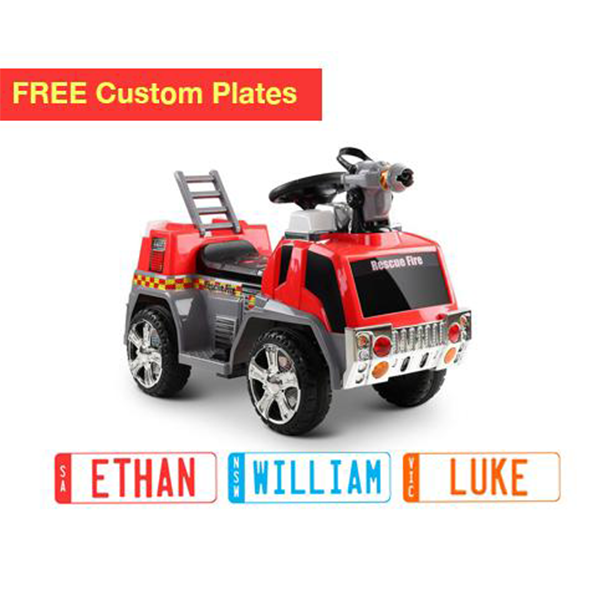
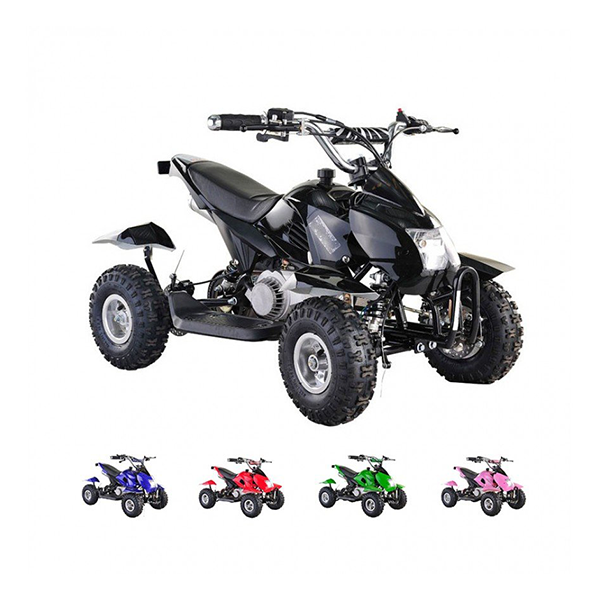
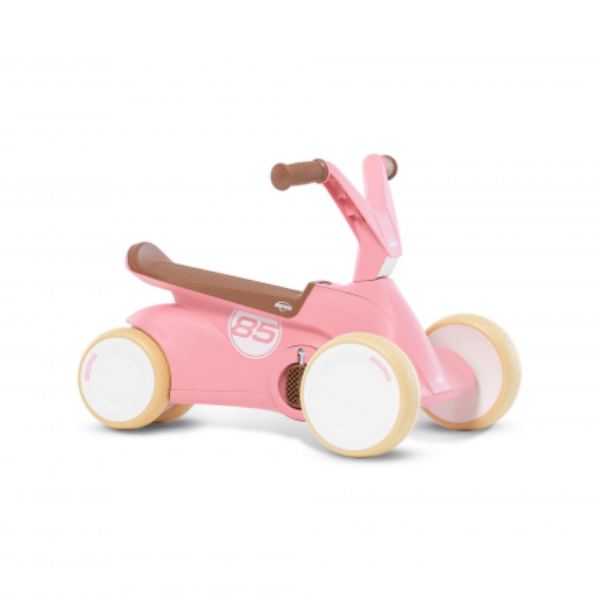
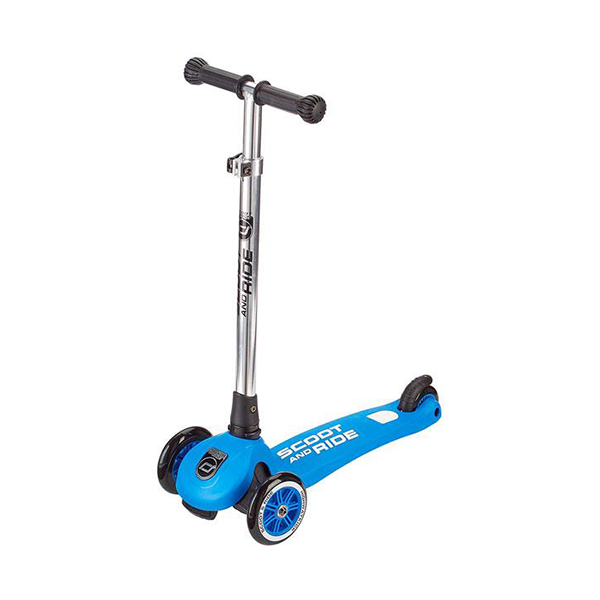
- Scooters & Ride-Ons → understanding maintenance, balance, and road safety
These toys encourage kids to own their actions—a skill that translates into household chores, schoolwork, and beyond.
Quick Wins for Parents
Here’s how you can blend the viral lesson into your home right now:
| Situation | What Kids Say | What You Say Instead | What They Learn |
| Toys left everywhere | “I don’t know where they go” | “Show me your best guess” | Problem-solving |
| Won’t pack school bag | “I don’t know what I need” | “What’s on your list?” | Planning skills |
| Trampoline left messy | “I’ll clean it later” | “No jumping until it’s clear” | Natural consequences |
Parenting Takeaway
Shelbie’s viral moment was about so much more than loading a dishwasher.
It was about raising capable humans—kids who understand that they are part of a team, that their actions have consequences, and that they’re fully capable of contributing.
And that’s what parenting in 2025 is really about:
- Less hand-holding
- More empowerment
- Finding the balance between support and independence
Final Thoughts
Parenting trends may come and go, but one thing’s timeless: we all want to raise confident, capable kids.
The viral “dishwasher video” is a reminder that kids can rise to expectations if we give them the chance. By pairing lessons in responsibility with tools that make independence fun—like active toys—we can build both life skills and memories.
Ready to Empower Your Kids Through Play?
At Kids Toys Warehouse Australia, we’re here to help your kids grow, learn, and thrive.
From trampolines that build coordination and confidence to obstacle kits that encourage problem-solving, we’ve curated products that make responsibility fun.